An apple tree planted in November that doesn’t take root in spring, a lawn scorched by June, a flowerbed overrun with couch grass in September: these situations often result from a mismatch between what is planted and what the land can support. Designing and maintaining your garden throughout the year is not just about stacking tasks month by month; it is primarily about adapting each action to the soil, local climate, and water constraints.
Drainage and microclimate: two factors that change everything in garden design
We rarely start here, and that’s a mistake. Before choosing any plants or laying out a path, one must observe how water flows across the plot after heavy rain. An area where water stagnates for more than two hours indicates a drainage problem that will influence the choice of plants, the location of the vegetable garden, and even the durability of a terrace.
The microclimate is as important as exposure. A south-facing wall accumulates heat and creates a dry zone at its base, while a northeast corner remains cool and damp for a good part of the day. Recent recommendations emphasize the compatibility between plants, soil type, and drainage capacity rather than just orientation.
For a resilient garden, one can rely on the Végétal local label, which identifies locally sourced species adapted to regional ecosystems. This type of choice reduces watering, limits treatments, and simplifies long-term maintenance. Among the garden solutions from Simply Habitat, there are approaches that integrate these parameters from the design stage.
Managing water in the garden without wasting: restrictions and concrete alternatives
Water restrictions are no longer an exceptional event. During drought periods, watering lawns and flowerbeds may be prohibited by prefectural decree, while trees and shrubs planted less than two years ago sometimes benefit from exceptions during nighttime slots. The rules vary from one department to another, and it’s essential to check local decrees before connecting the hose.
This reality changes the way a garden is designed. Rather than struggling to maintain uniformly green grass, some municipalities intentionally allow lawns to enter summer dormancy and concentrate available water on priority plantings. One can apply the same logic at home.
Three levers work well together:
- Thick mulching (at least a good layer of shredded material or straw) at the base of flowerbeds and the vegetable garden, which significantly reduces evaporation and limits weeding.
- Installing a rainwater collector, even of modest size, connected to a gutter. Watering with this reserve takes priority before tapping into the mains.
- Choosing water-wise plants (sages, sedums, verbena, ornamental grasses) for the most sun- and wind-exposed areas.
The goal is not to have a dry garden, but a garden that thrives without constant irrigation.
Seasonal garden maintenance: what really matters
Traditional gardening calendars list dozens of tasks per month. In practice, focusing efforts on four key actions per season yields better results than trying to do everything.
Late winter and spring: prepare without rushing
We wait until the soil no longer sticks to our boots to intervene. Pruning summer-flowering shrubs should be done before vegetation starts, not after. This is also the time to check the state of the mulch, replenish it if necessary, and plan vegetable garden sowing according to the latest local frosts.
Manual weeding of paths and terrace joints is more effective at this time: weeds are young and can be easily pulled out with their roots.
Summer: save water and avoid cutting too short
Raising the mower’s cutting height makes a real difference. A lawn mowed high withstands heat better because longer blades shade the soil and limit evaporation. Avoid mowing during a heatwave, which stresses the lawn without benefit.
For the vegetable garden, watering at the base (drip irrigation or targeted watering can) early in the morning or in the evening remains the most economical method. Feedback on the effectiveness of buried oyas varies depending on soil type, but the principle of slow diffusion works well in clay soil.
Autumn and winter: plant and protect
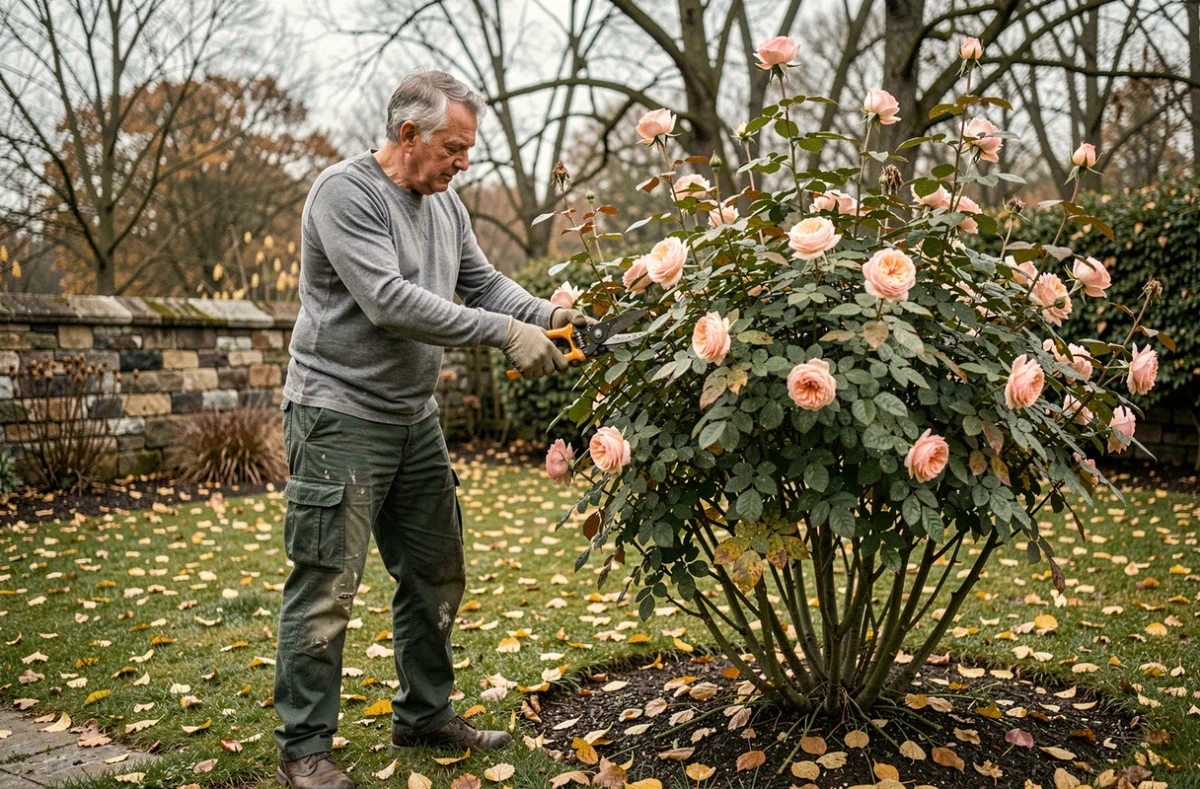
Autumn is the best season to plant trees, shrubs, and perennials. The still-warm soil promotes rooting before winter, and natural rains ensure watering. This is also the time to divide perennials that have become too bushy and to mulch the bases of frost-sensitive plants.
In winter, leave the dry stems of grasses and perennials in place: they protect the crowns from the cold and provide shelter for beneficial insects. Complete cleaning can wait until the end of February.
Terrace and outdoor living spaces: choices that last
Designing a terrace or dining area shapes the daily use of the garden. The choice of covering material deserves consideration: composite wood does not gray but heats up in full sun, natural stone ages well but is more expensive to install, and stabilized gravel offers a good compromise for tight budgets.
A often-overlooked point: managing runoff water around the terrace. Without proper slope or peripheral drainage, water stagnates against the foundations or floods adjacent flowerbeds. Planning this detail from the construction phase avoids costly repairs later.
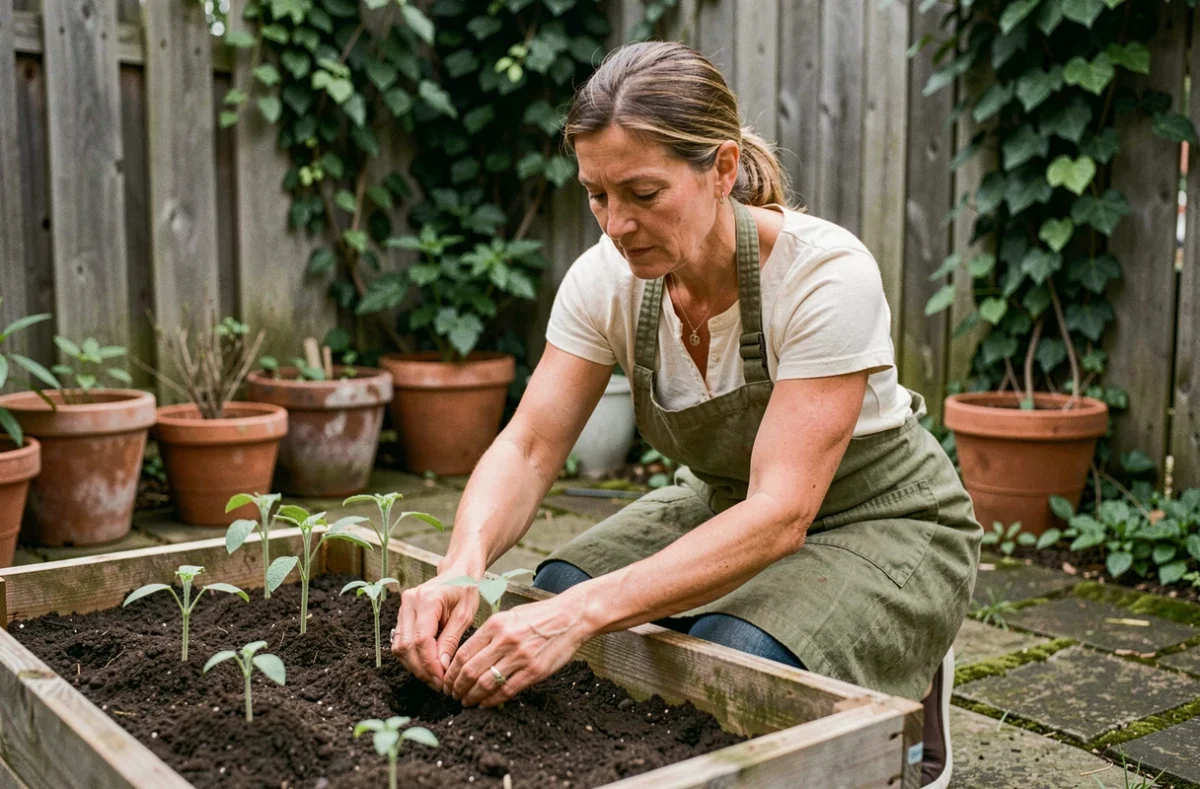
For small spaces, a raised vegetable garden along the terrace combines food production and decoration. A few herbs, cherry tomatoes, and a zucchini plant are enough for a productive first bed without taking up much space.
Designing a garden that works year-round means accepting that it changes appearance with the seasons. A golden lawn in August, flowerbeds resting in January, blooms shifted by a month depending on the year: this is the sign of a living space that adapts, not a neglected garden.